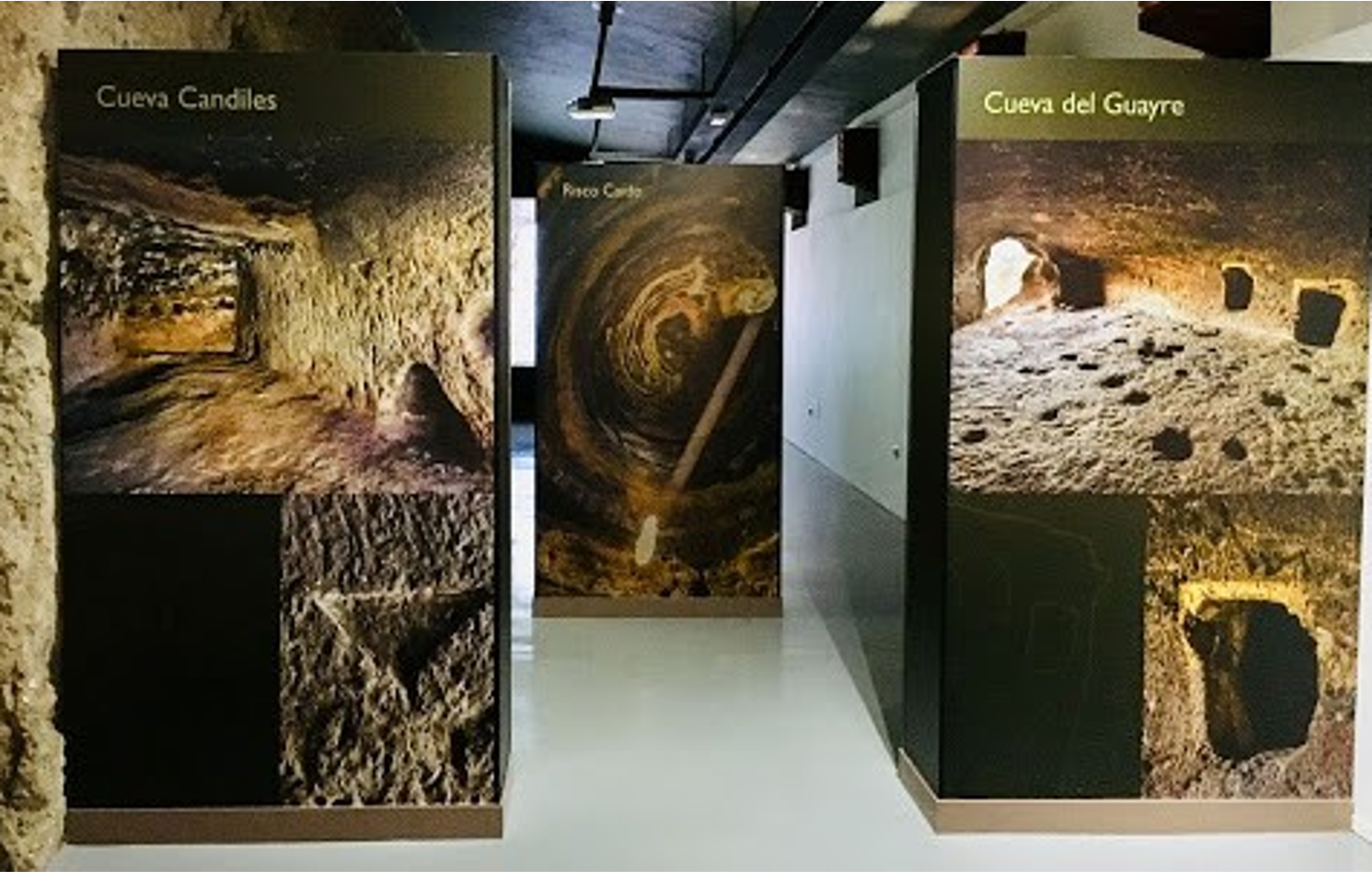
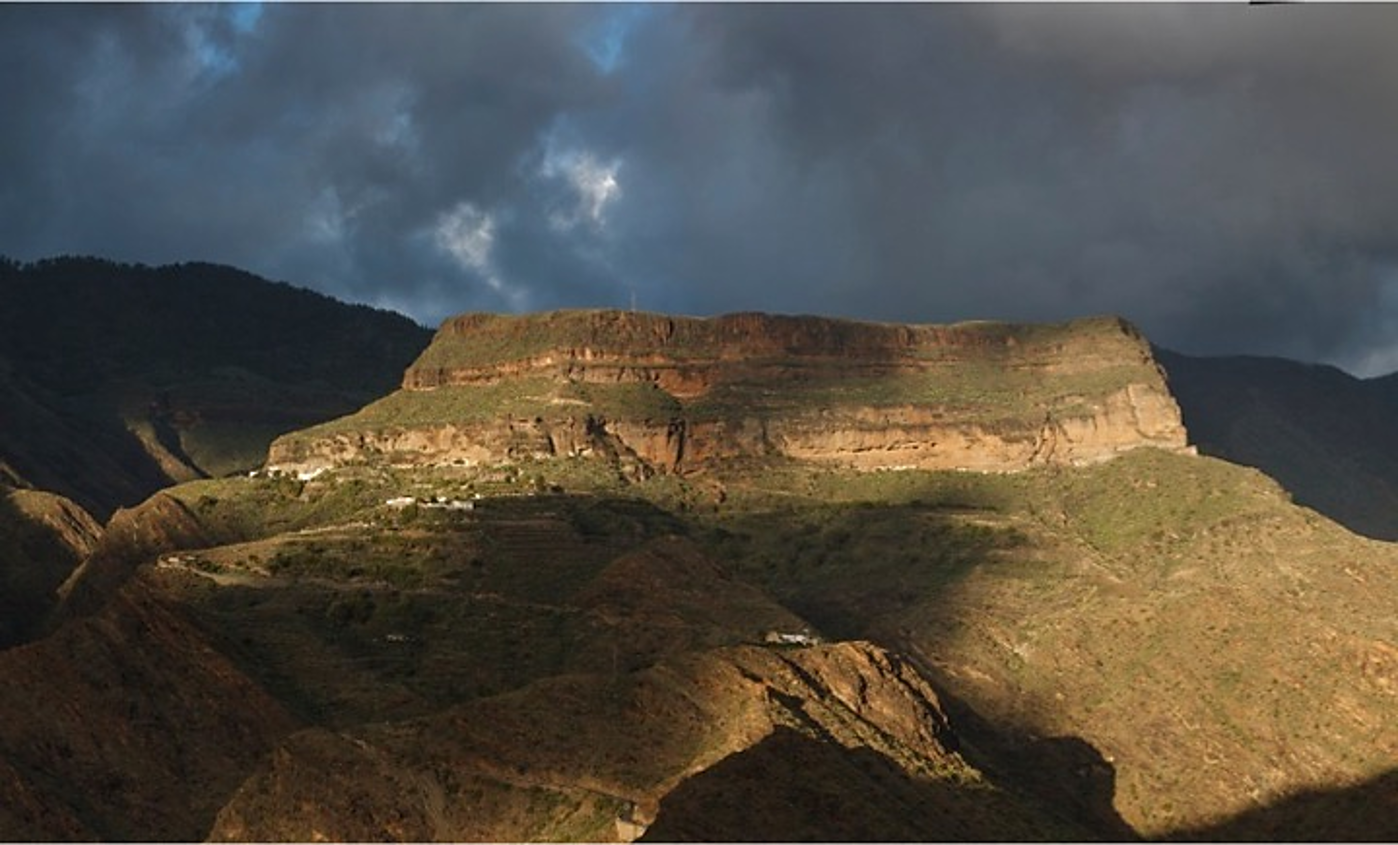
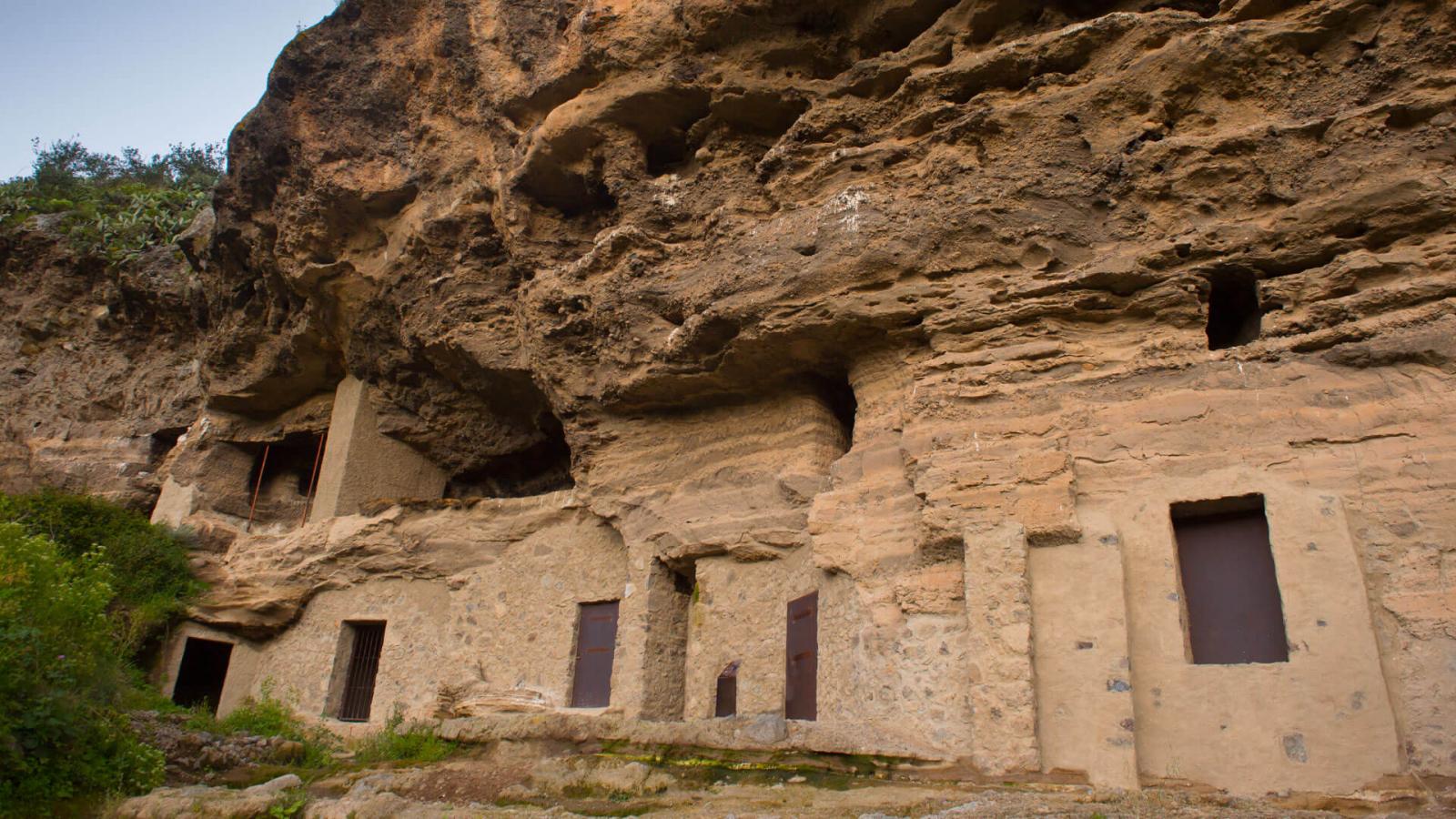
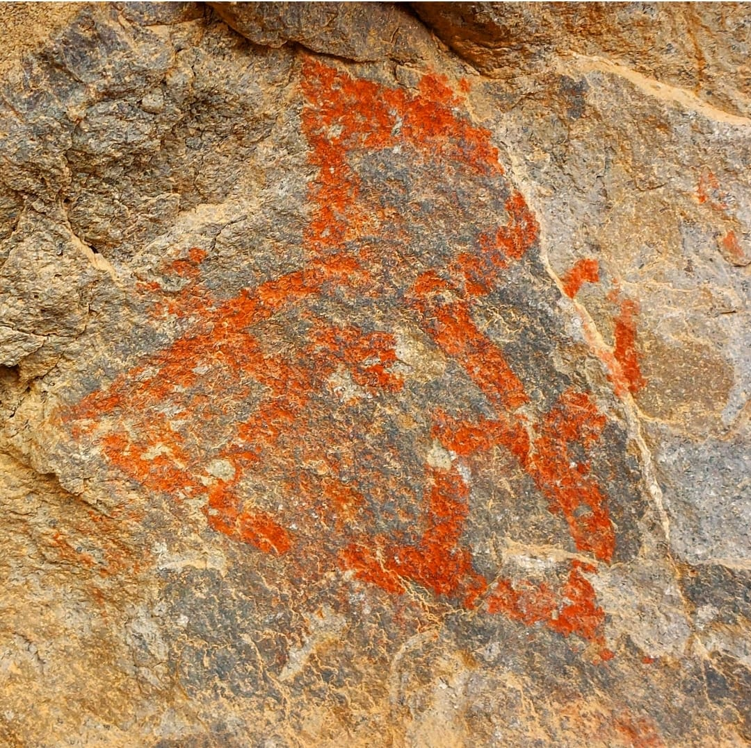
Age of the artistic representations: It contains numerous vestiges of the aboriginal communities that lived here thousands of years ago. Notable features include dwellings carved into the rock, granaries, cisterns, and ritual spaces that form a complex cultural system. Research suggests that these settlements began to consolidate with the arrival of Berber populations from North Africa at the beginning of the Common Era and remained until the Spanish conquest of the 15th century.
General description of the destination: The Cultural Landscape houses a set of well-preserved manifestations and works belonging to a vanished island culture that evolved in isolation from the presence, at the beginning of the Era, of Berber or Amazigh peoples of North African origin, until its conquest by the Crown of Castile, at the end of the 15th century.
History of the site: The aboriginal populations of the Canary Islands possessed a unique troglodytic culture, as evidenced by the existing archaeological heritage and the accounts of the first chronicles after the Conquest. All indications point to this habit of living in caves having its common origin in North Africa, with the Berber or Amazigh communities. However, it was only in Gran Canaria that large settlements were built in artificial caves, sometimes creating an urbanism that could be described as vertical. We are faced with a predominantly troglodytic territory that, as a whole, houses a colossal feat of engineering that pierced entire mountains, creating passageways, galleries, doorways, staircases, granaries, and windows perched on impressive cliffs. What increases its exceptional value is that this type of settlement persisted over time, reaching our own day, which constitutes a defining characteristic.
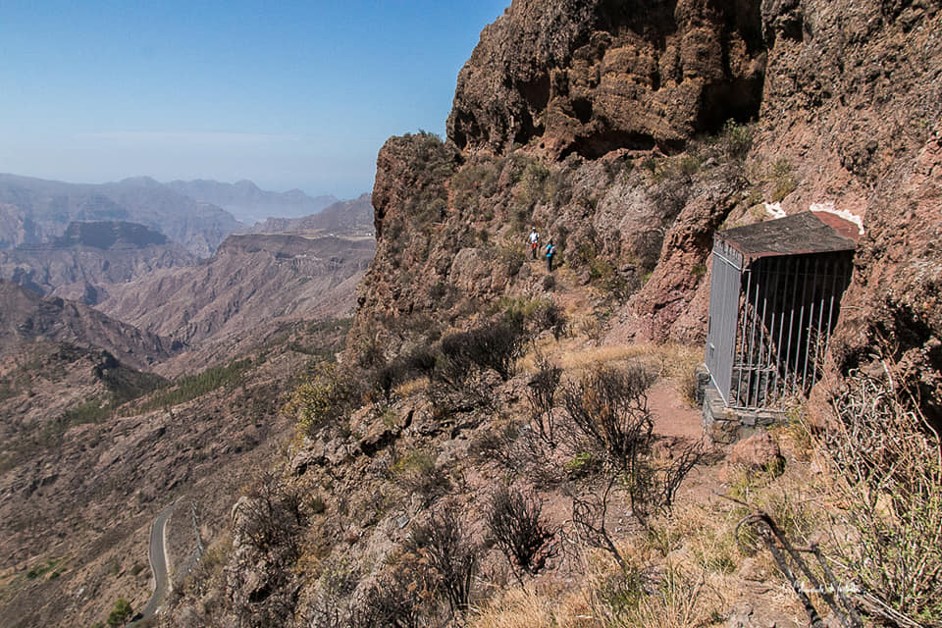
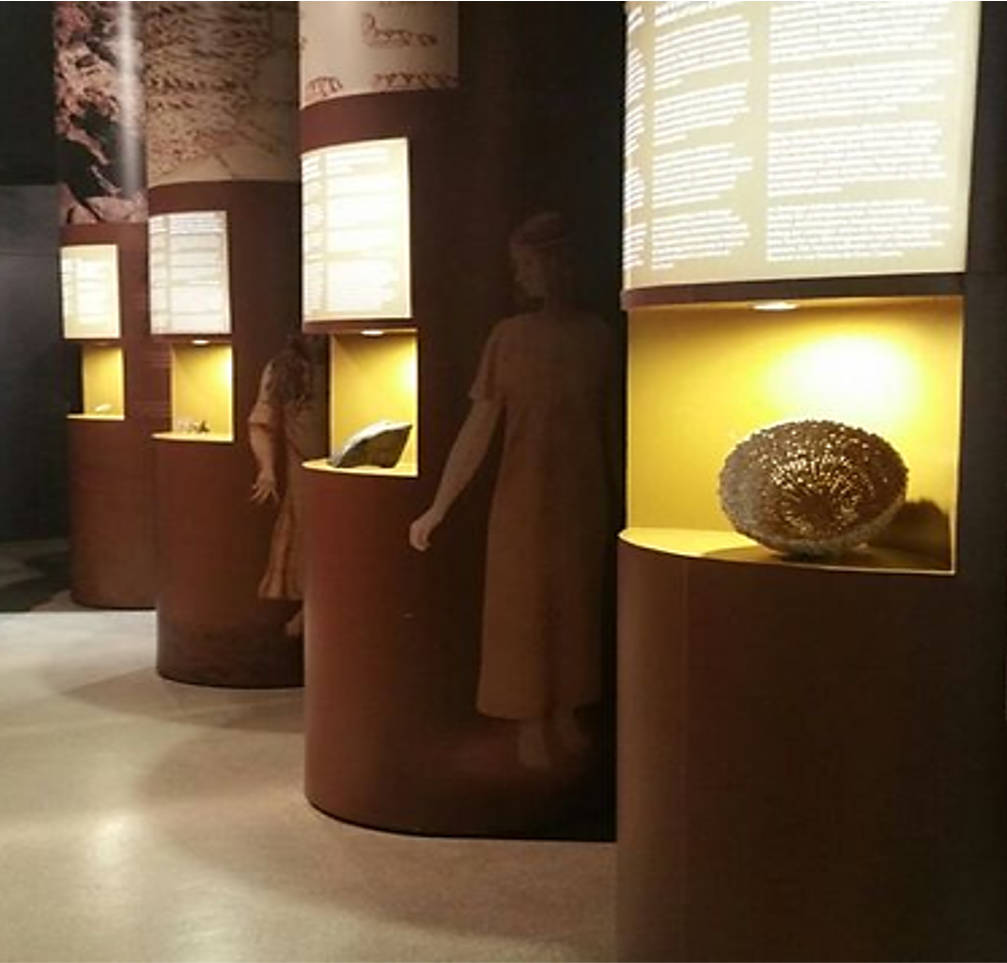
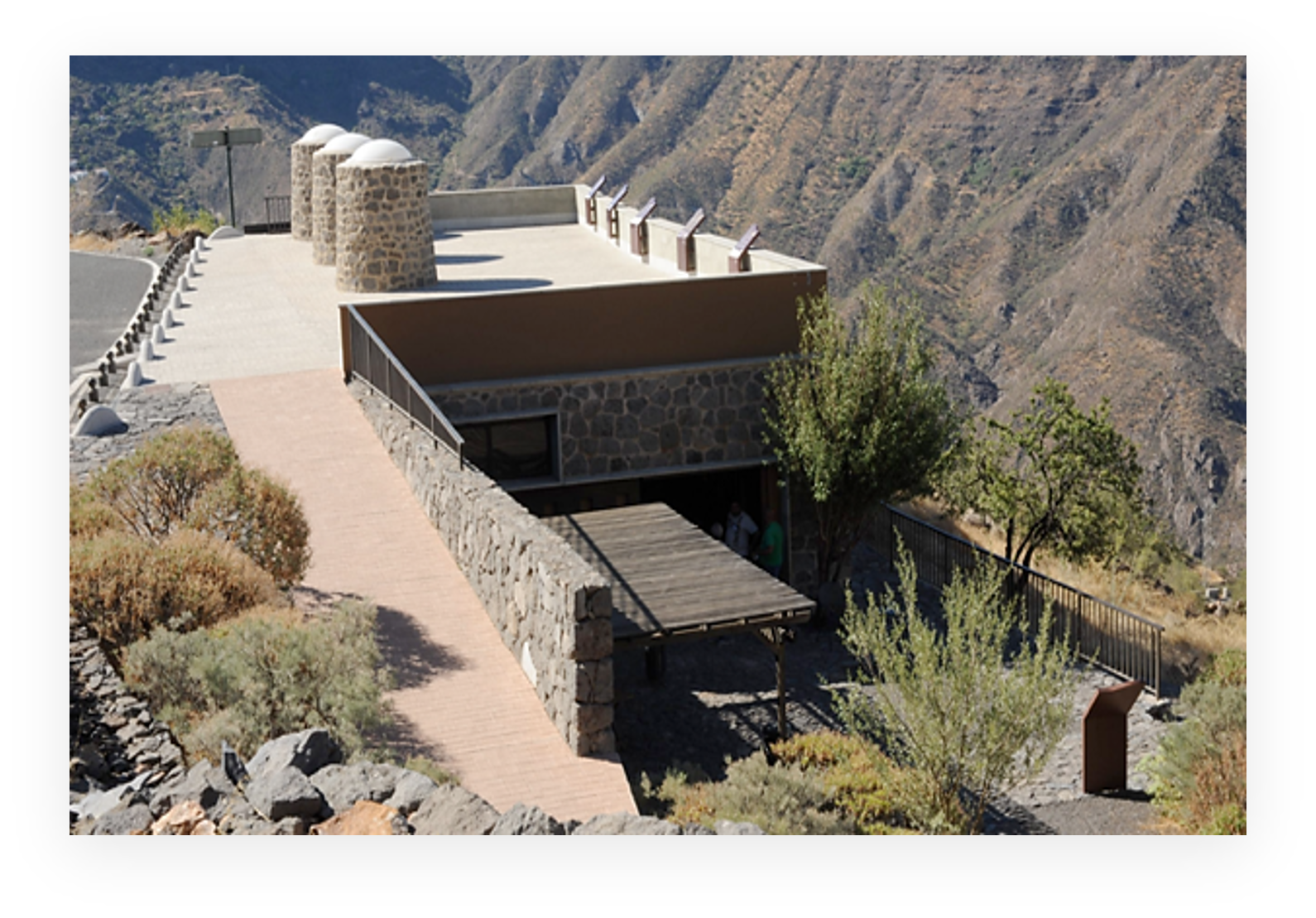
Museographic resources description: The settlement consists of 21 caves carved into the volcanic tuff, perched atop a steep cliff that juts out over the left bank of Barranco Hondo, between the small ravines of El Parral and Los Linderos. Also known as Risco Maldito (Cursed Cliff), this ancient village has been abandoned since the mid-20th century, a further example of the persistence in recent times of ways of life inherited from pre-Hispanic times.
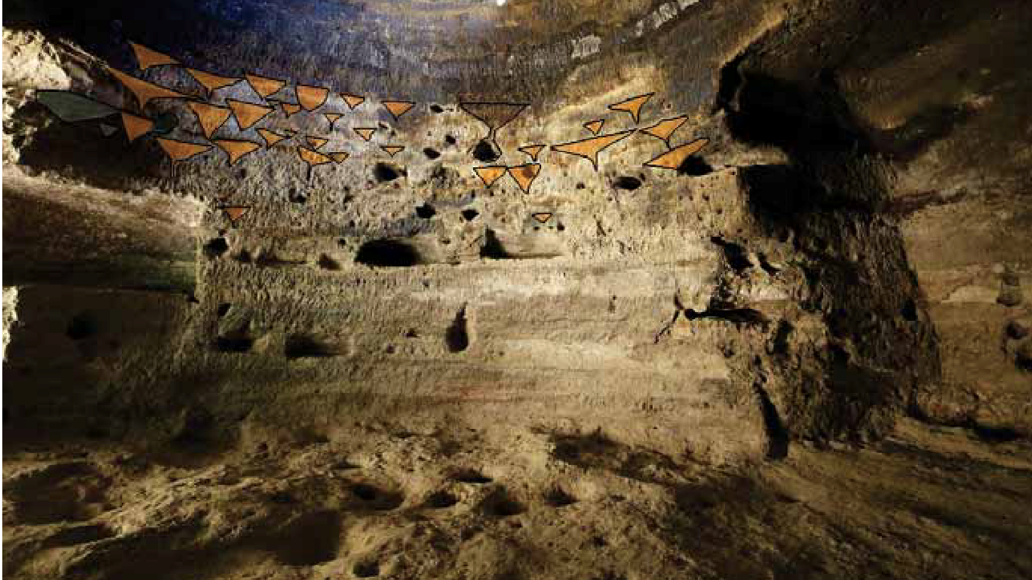
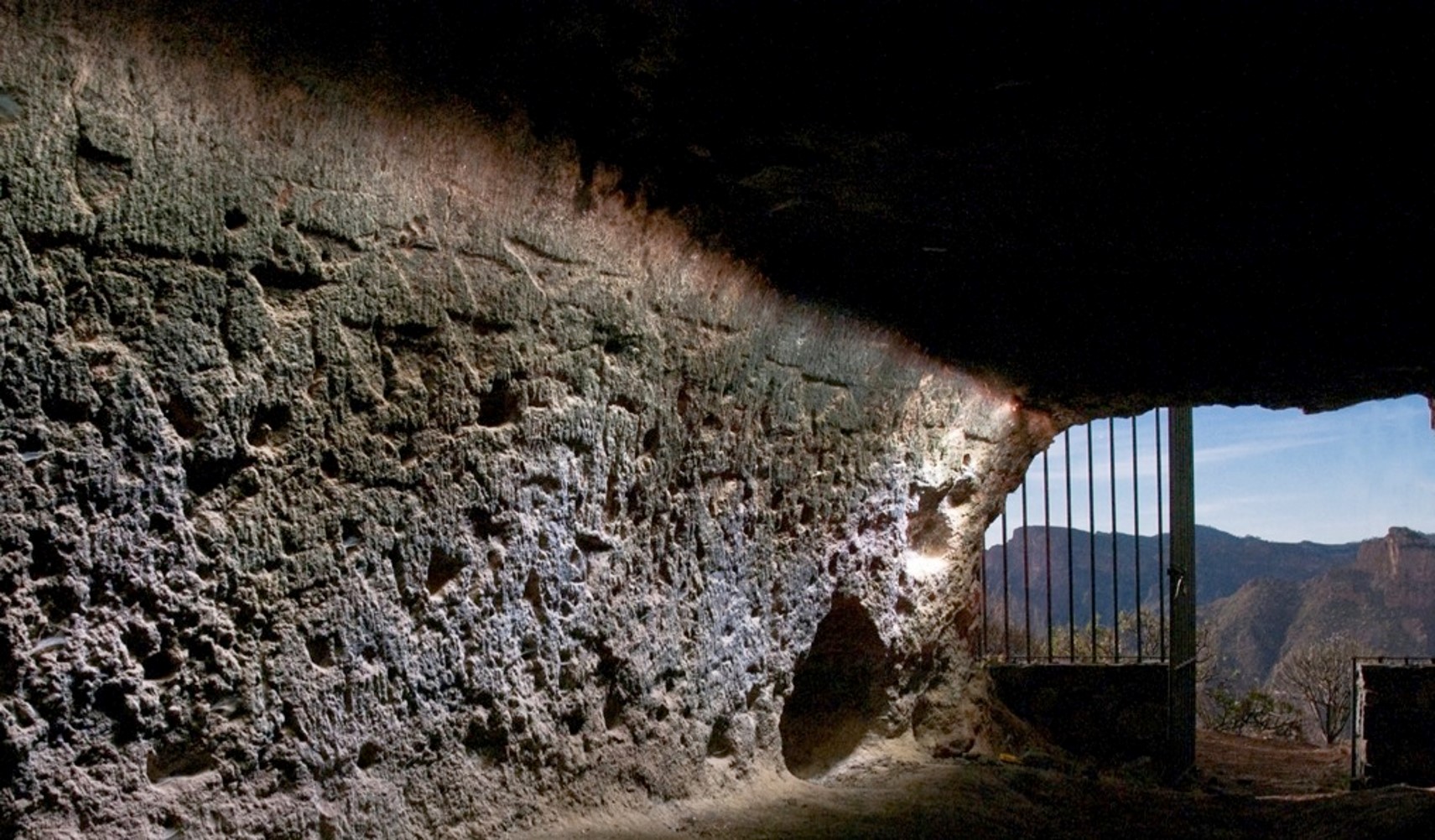
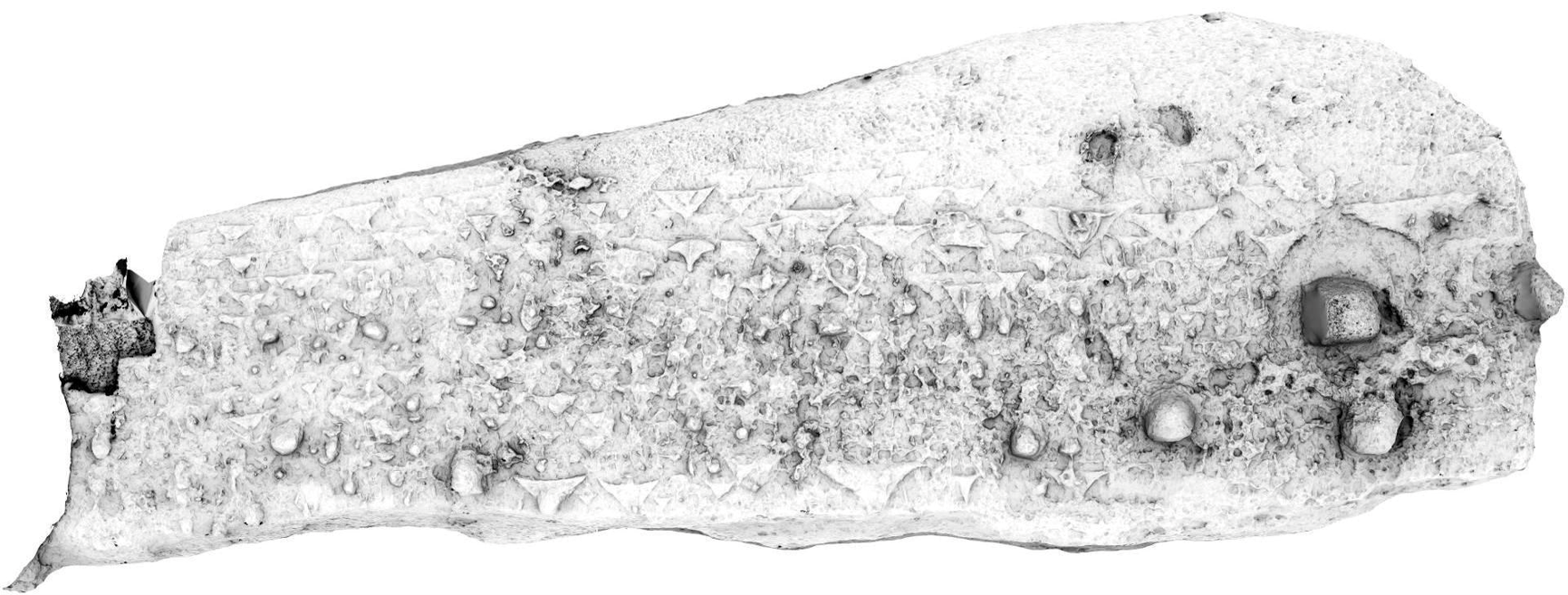
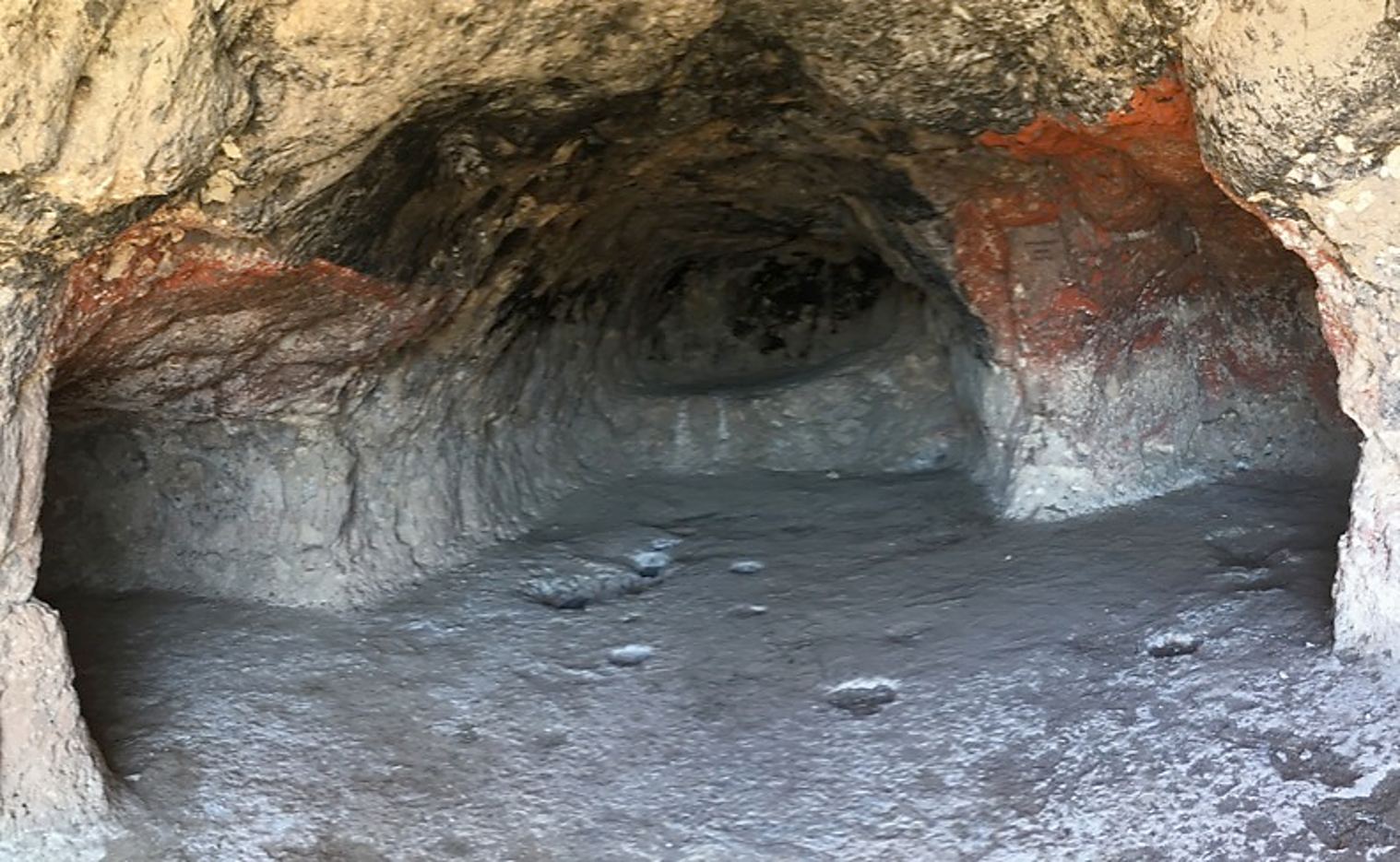
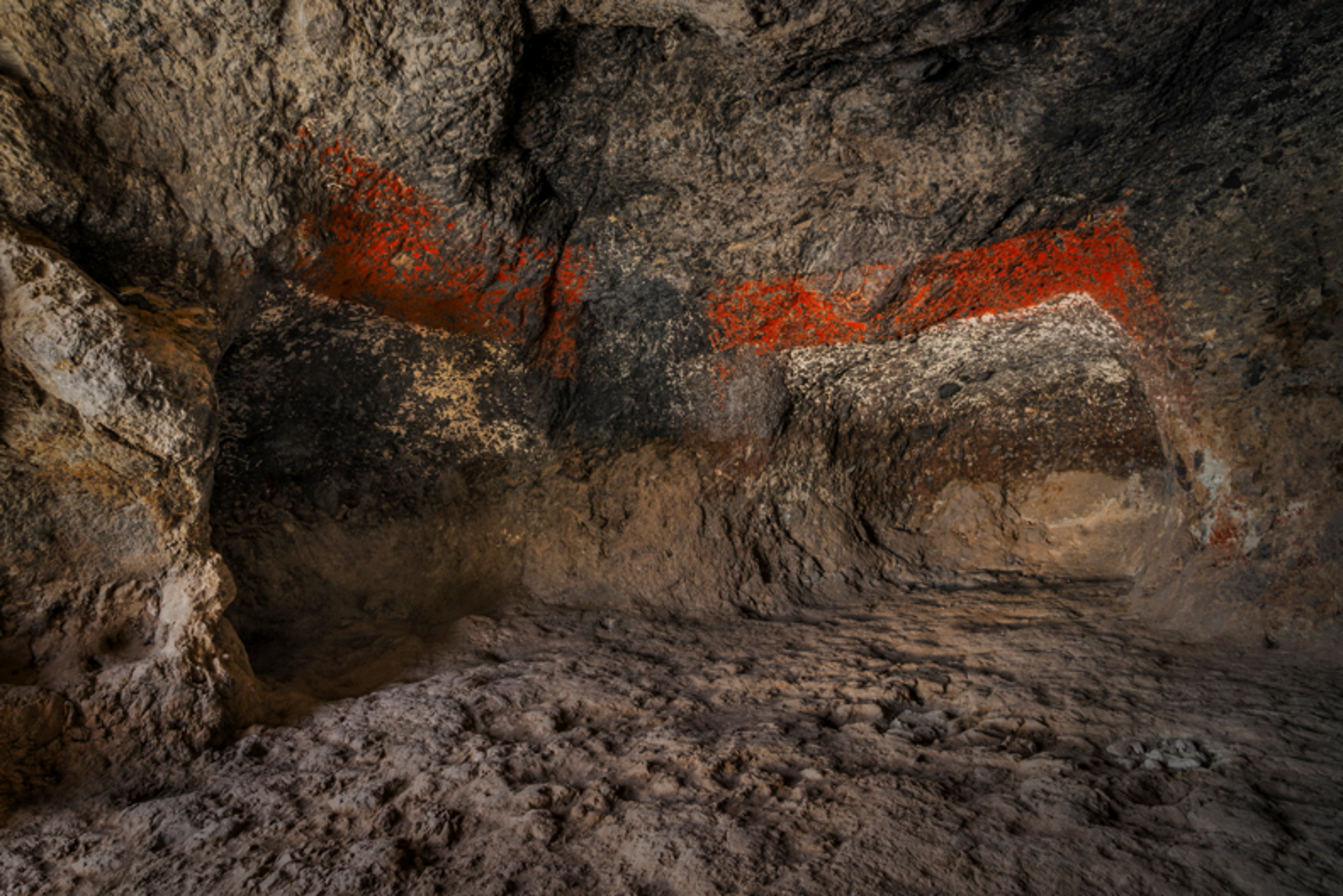
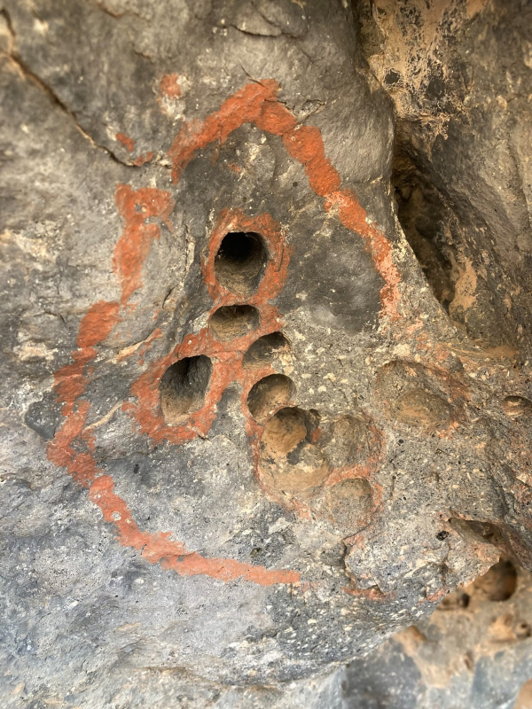
Among the caves, C6 and C7, located to the north of the settlement, stand out for their astronomical, ceremonial, and symbolic significance. They are probably the oldest and house what was one of the most important mountain sanctuaries of the ancient Canarians. All the caves feature a profusion of pubic engravings, cupules, and bas-reliefs.
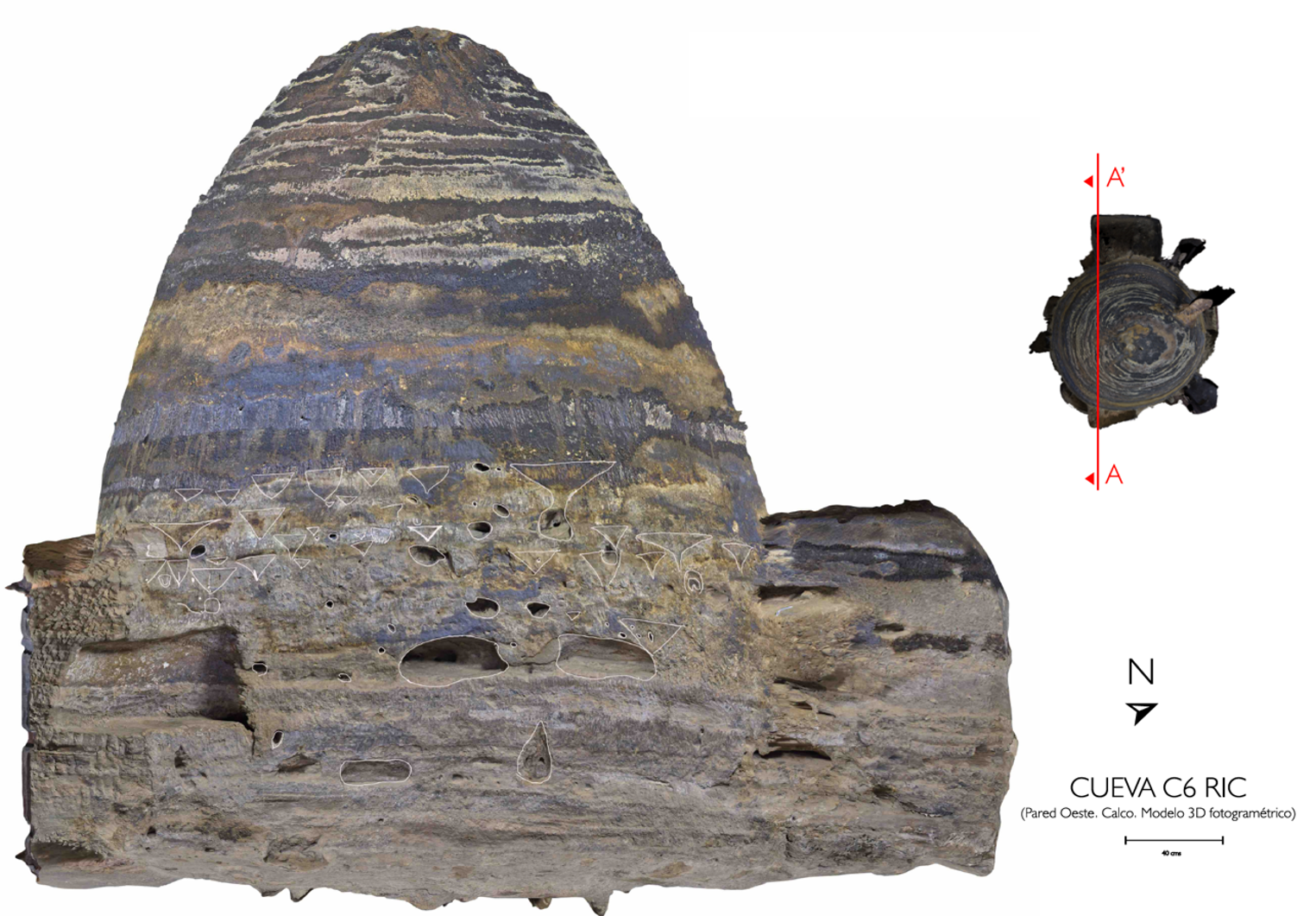
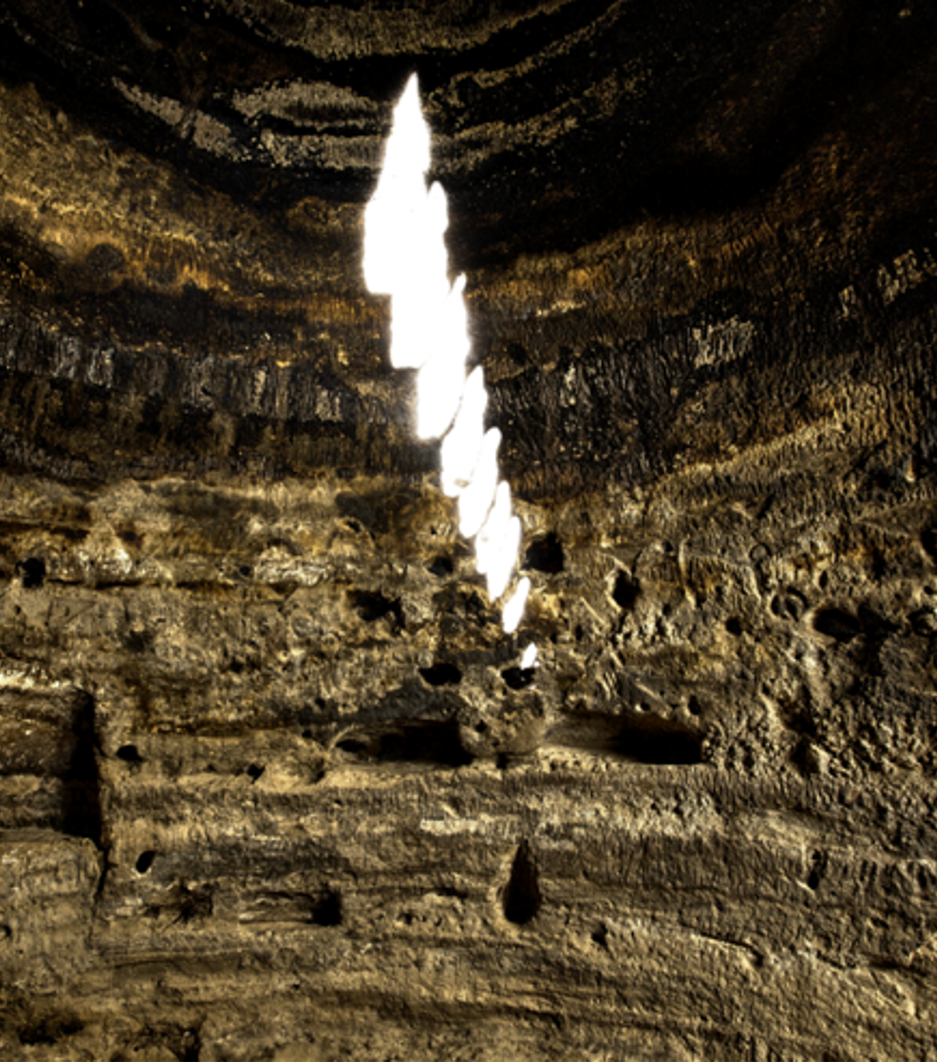
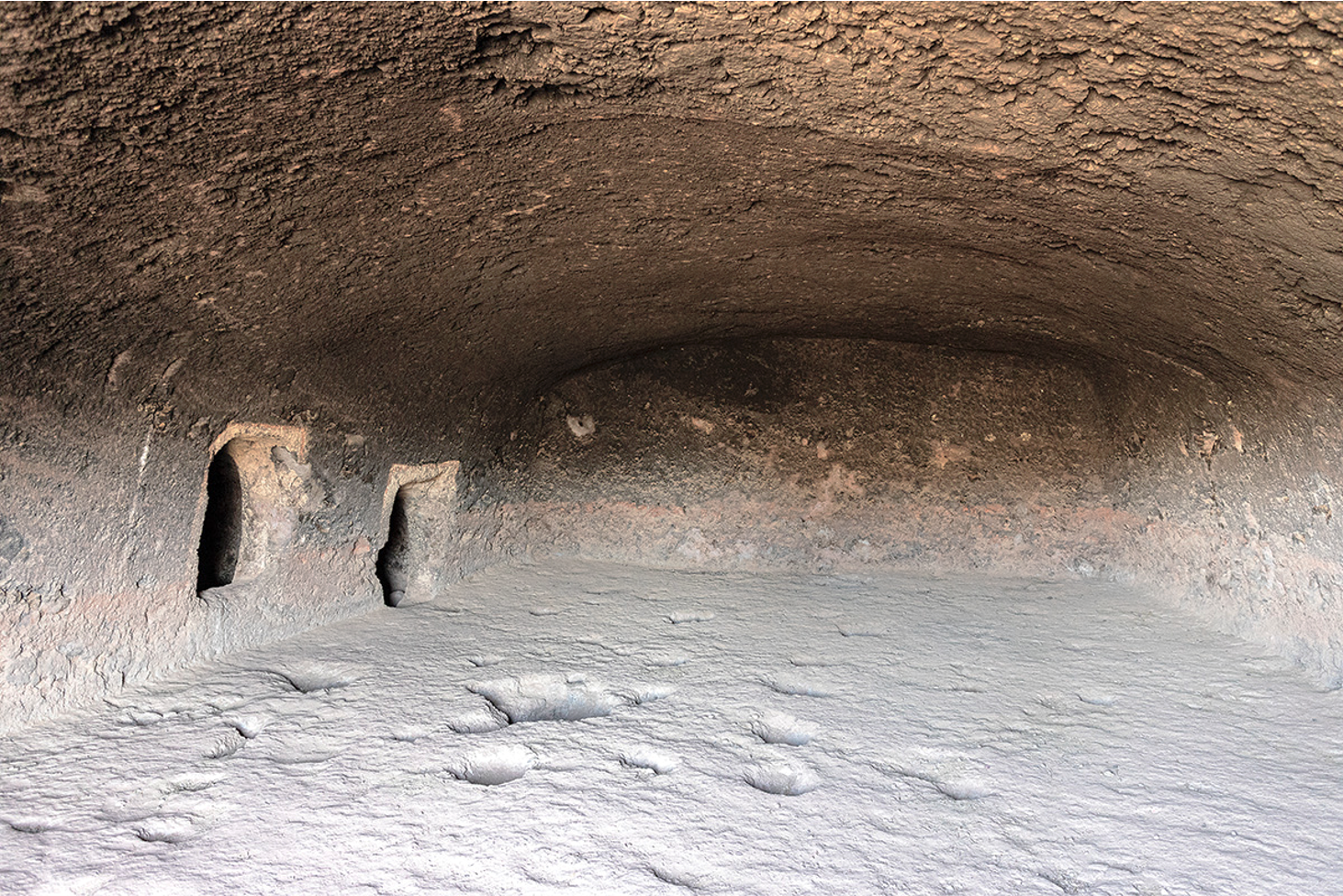
Cave C6, known as the almogarén or sanctuary of Risco Caído, is an excavated enclosure with a circular floor plan and a paraboloid dome, very rare in this type of construction on the island.