

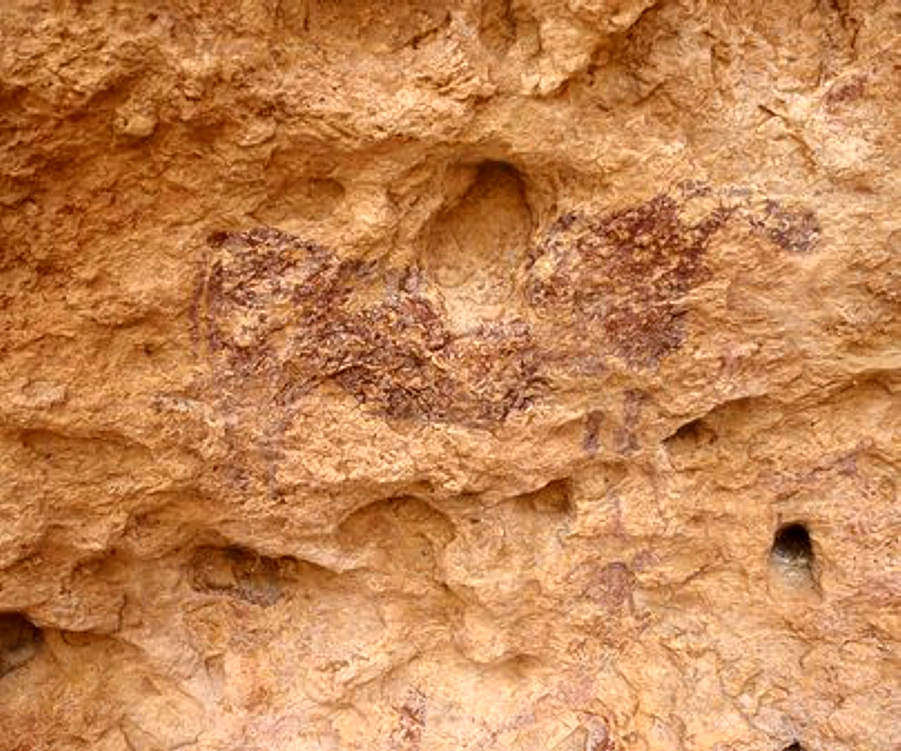
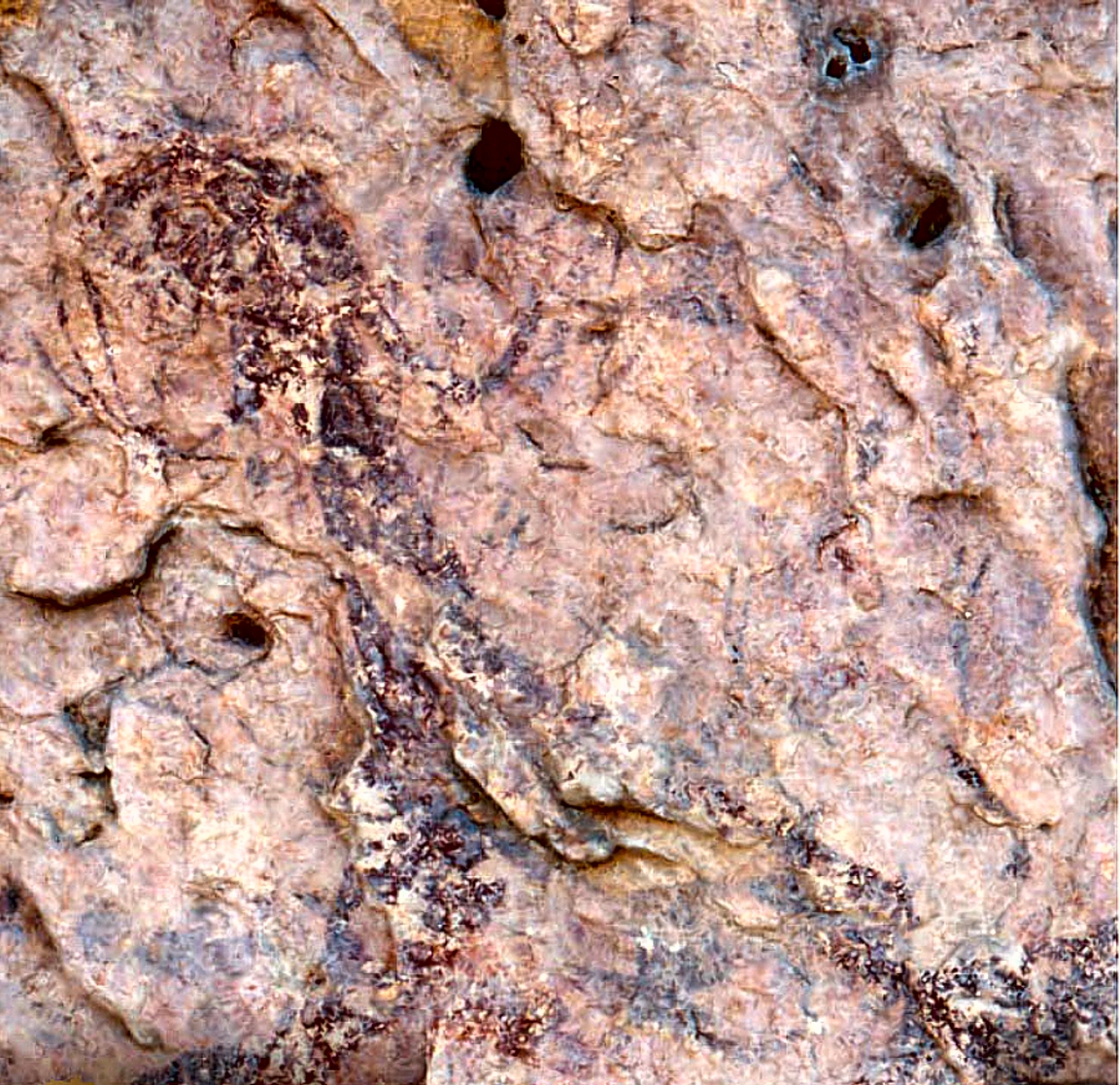
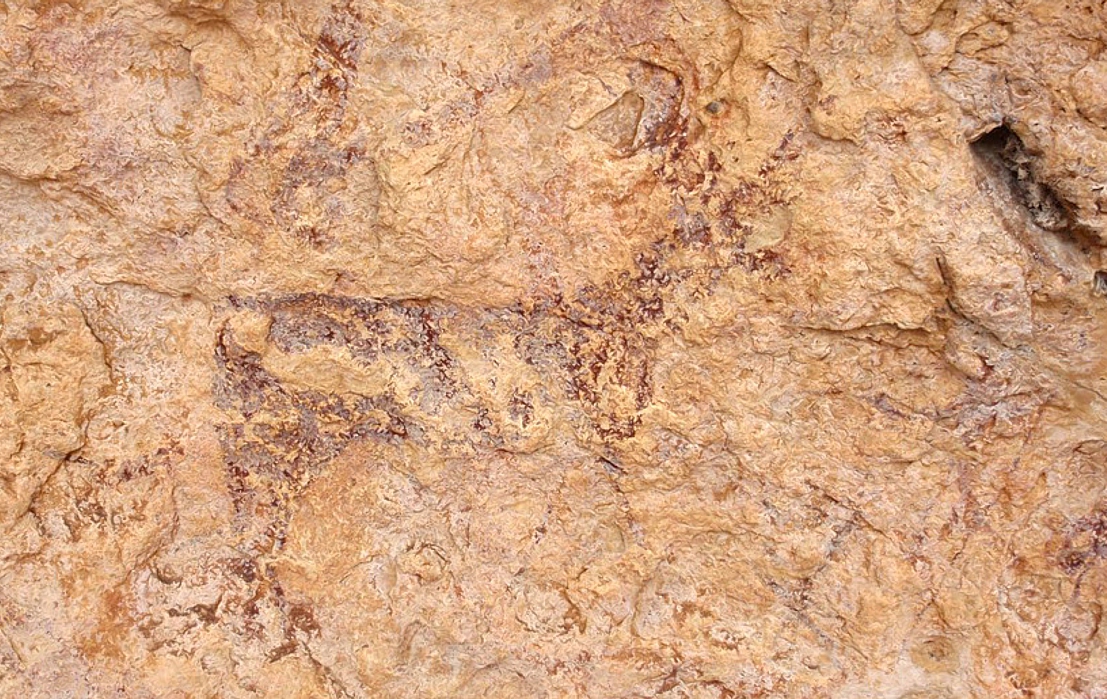

Age of the artistic representations: 9000 to 3500 years ago.
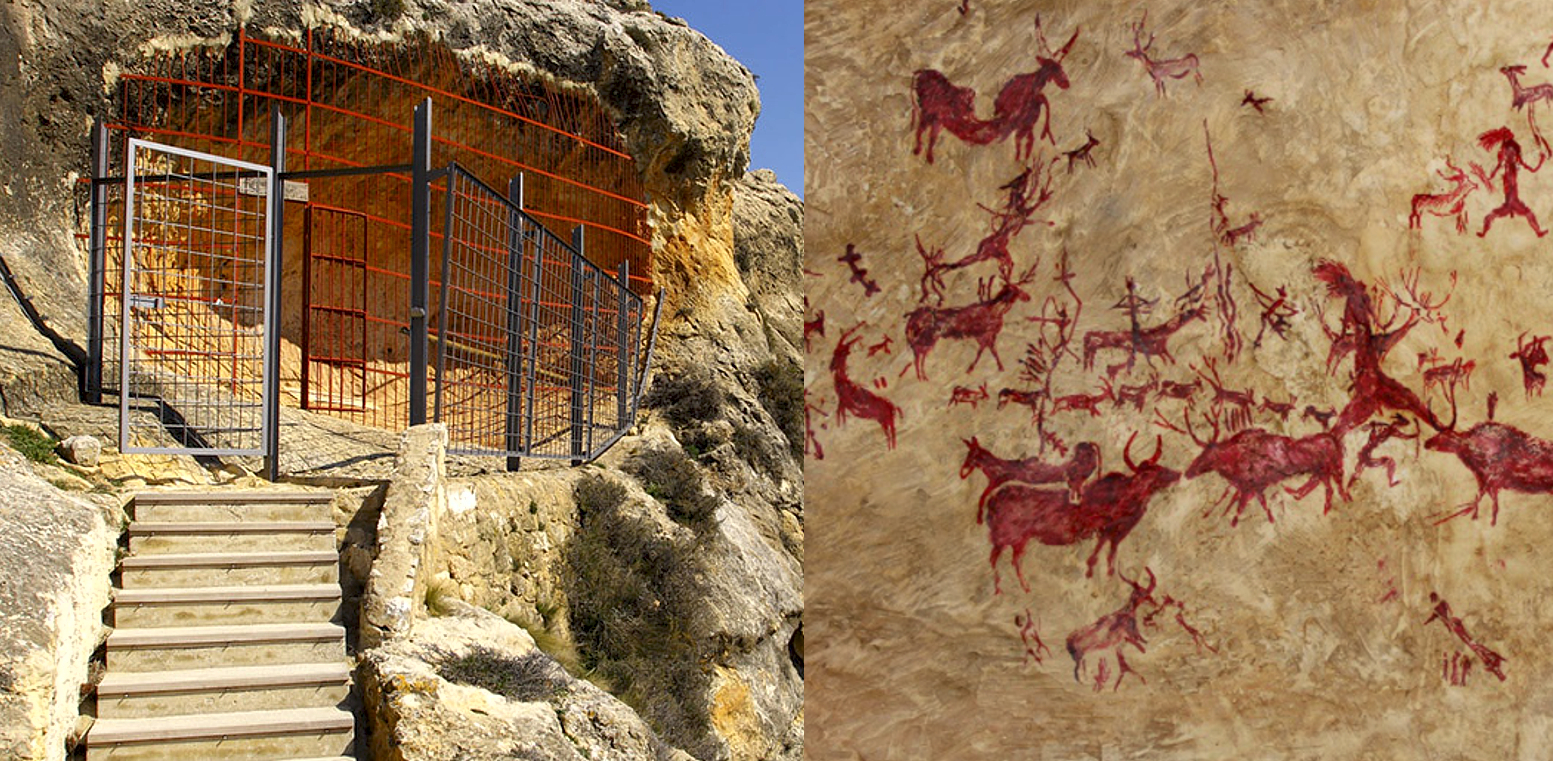
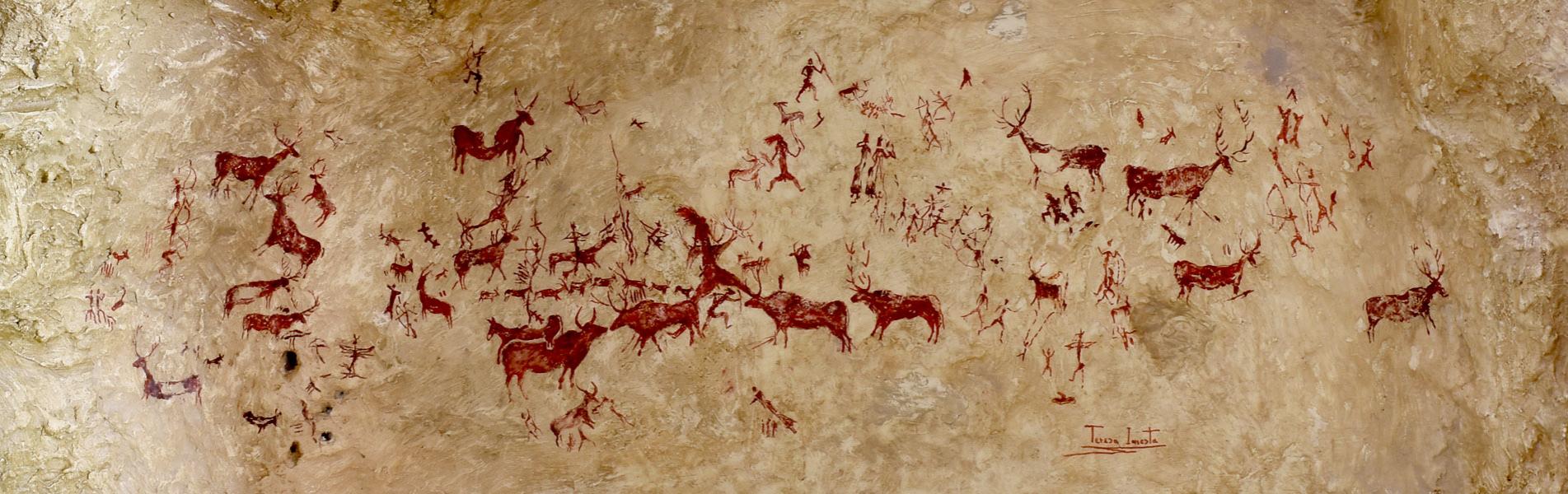
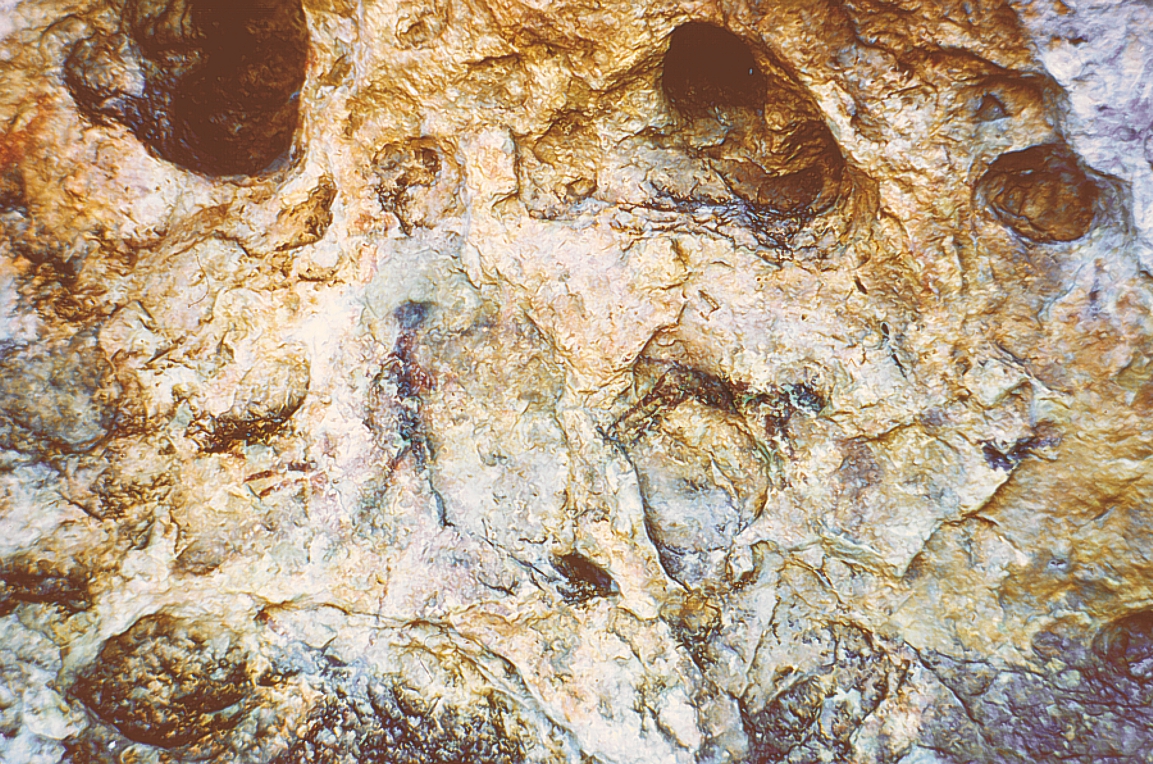
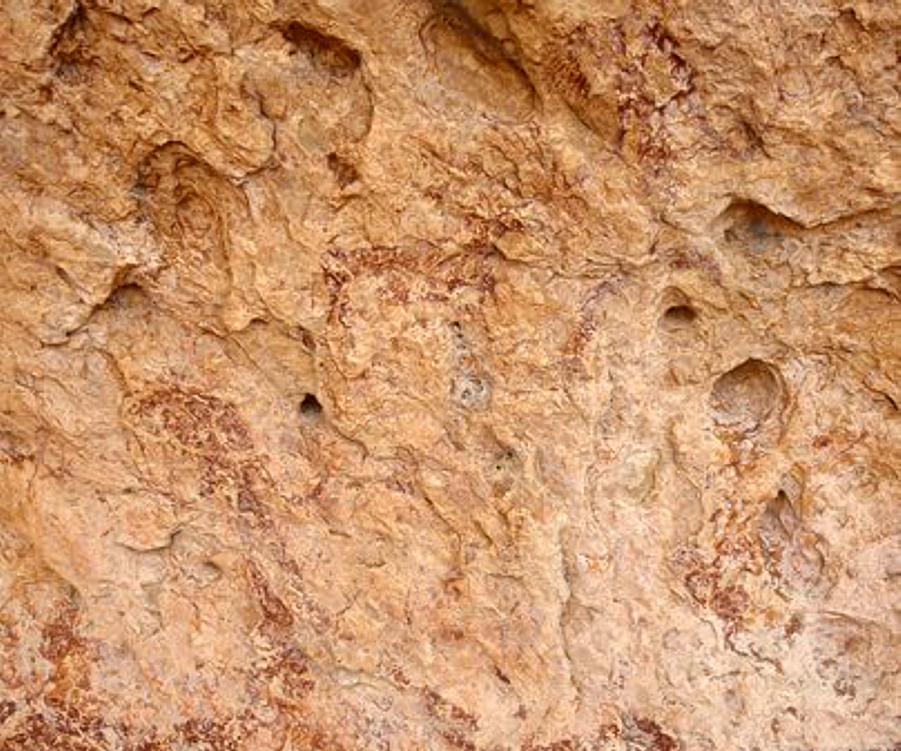
General description of the destination: La Vieja or Venado Cave, Cheese Cave, Los Carasoles Rock-shelter or Fuente de la Arena. Levantine rock art, and a UNESCO World Heritage site. One of the most representative groups of Levantine rock art, with human and animal figures, hunting scenes and enigmatic abstract shapes. La Vieja Cave is the only site open to the public. It is a journey through all the themes and styles of Levantine art, in over a hundred figures we can see human figures (both men and women), animals, both figurative and schematic images and abstract motifs.
History of the site: Discovered in 1910 by Pascual Serrano, it was made known a few years later by the researchers Henri Breuil, Juan Cabré and the discoverer himself. The first studies were published in a prestigious French magazine and thus achieved a notable international diffusion. The recognition of its value as a prehistoric artistic enclave was ratified in 1924 when it was declared a National Historic and Artistic Monument. The latest study has been conducted by Anna Alonso and Alexandre Grimal, who have published two books. In 1998 it was declared World Heritage, within the UNESCO declaration granted to http://www.arterupestre.es/ .
Museographic resources description: At the Alpera Rock Art Museum, there is a permanent exhibition entitled “The Great Sanctuary of Mediterranean Art”, created by the Catalan Institute of Paleoecology and Social Evolution, directed by Ramón Viñas and Lluís Basat, and commissioned by Alpera Town Council to mark the 100th anniversary of the discovery of the Cueva de la Vieja. The exhibition space houses a display dedicated to the great sanctuary of Levantine rock art. It consists of eight backlit panels presenting the history of the cave, its researchers and its features, together with an extensive photographic report and a DVD showing the different phases in which the cave was painted, which can be viewed on a monitor within the exhibition. The display is complemented by panels from a previous exhibition organised by the Association of Friends of the Cueva de la Vieja.